Civilian Electromagnetic Infrastructure (CEI)
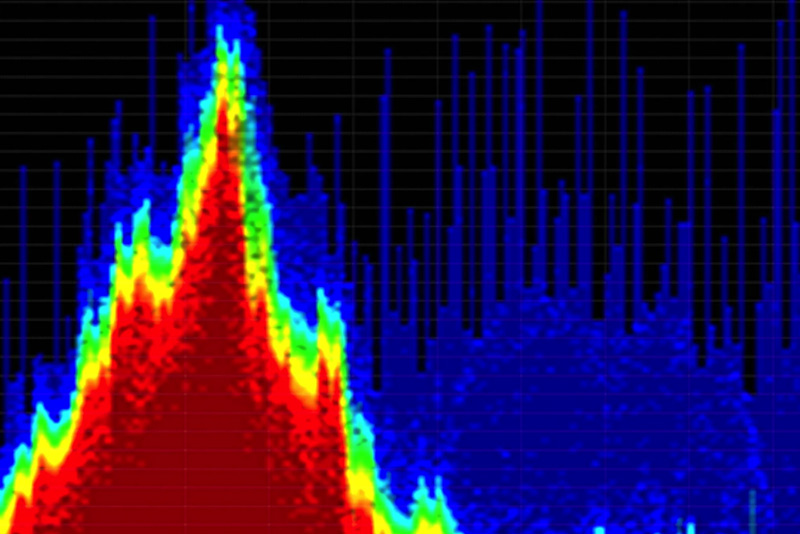
A Cyber Electromagnetic Spectrum (CES) Assessment examines how the Electromagnetic Spectrum (EMS) and cyber operations (intentional as well as inadvertent) in a given locale might affect the system being analyzed. As noted on the Global Positioning System (GPS)/Global Navigation Satellite System (GNSS) Assessments page, while having served as the principal performer on a project, we documented GPS/GNSS/Ground-Based Augmentation System (GBAS) issues for various International Air Transport Association (IATA) codes. For one IATA code, we were asked to review the findings from a Frequency Spectrum Management Panel (FSMP) Working Group regarding GPS interference/signal degradation during the Area Navigation (RNAV) GNSS instrument approach phase, which resulted in unreliable Actual Navigation Performance (ANP). We have also conducted assessments regarding potential sources of interference. For example, the CES Assessment scrutinized, among other facets, the civilian emitters in the area, as these can often, inadvertently, cause Electromagnetic Interference (EMI) and Radio Frequency Interference (RFI). The survey/assessment of Civilian Electromagnetic Infrastructure (CEI) is non-trivial. Transmitters and/or radios that have sub-optimal designs and/or are improperly operated can produce spurious emissions outside of their intended operating frequencies. In particular, for a locale with a congested spectrum, this could easily segue to lower than desired signal-to-noise ratios. Of note, a high-power transmitter in the locale can also result in receiver overload (the receiver is overwhelmed by the transmitter). The CES Assessment further examined the Strategic/Critical Infrastructure (SCI) in the area, as power lines (particularly when faulty, damaged, or degraded, etc.) can generate excessive noise.